
I woke up from a deep, much needed sleep, disturbed by my desperate sucking in of air. I shot upright, gasping. Feeling panicked.
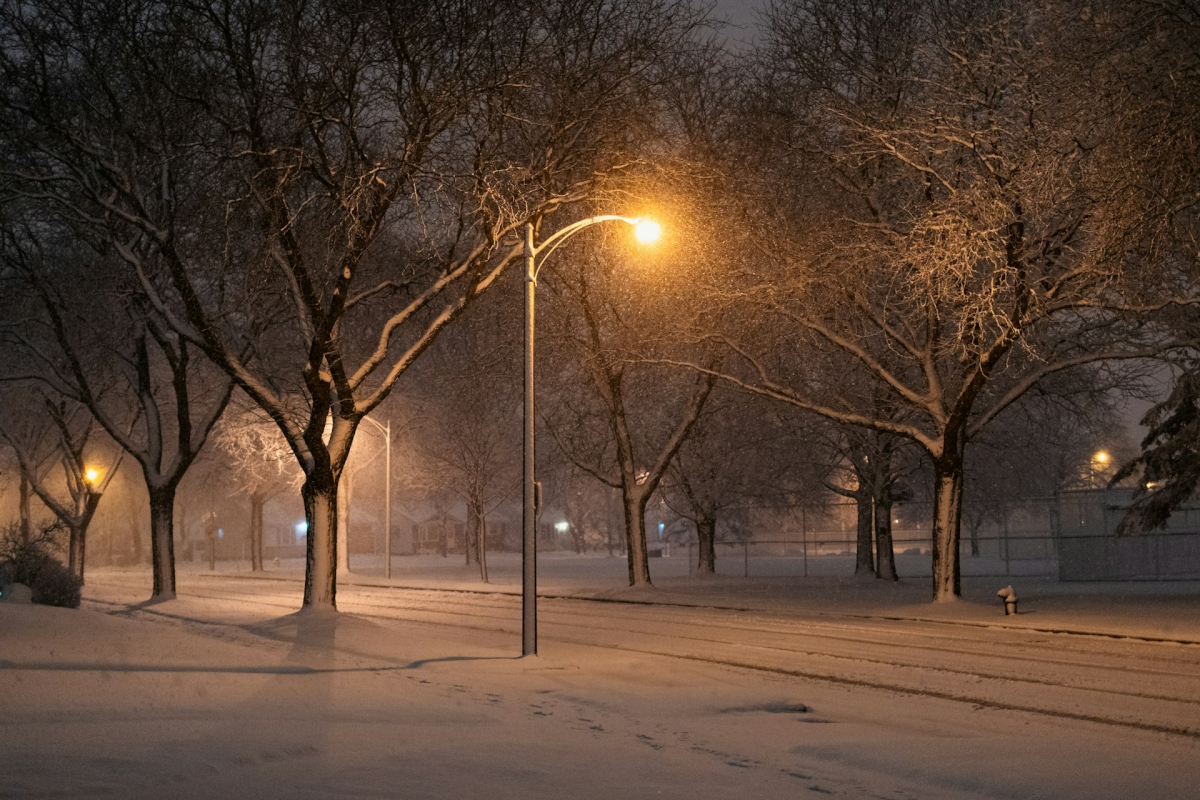
My eyes began to focus. My breath slowed. I recognized I was in my bedroom, bathed in an early morning glow from the streetlight reflecting off the snow outside. My home, my neighborhood was all asleep. I was safe.
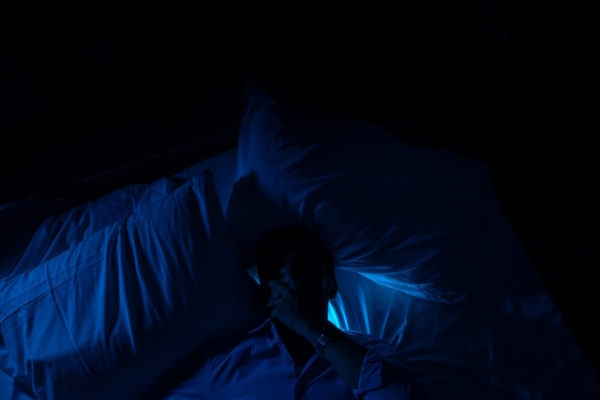
I must have inched my way down from the carefully constructed pyramid of pillows at the head of my bed, ending up flat on my back. Flat, I couldn’t breathe. Keeping my head and torso elevated had been the only way I could find any taste of rest over the last couple of months, since my surgery.
It had been just like in the movies.
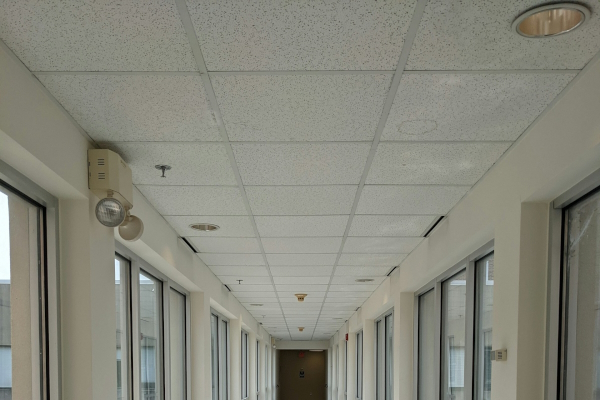
The rhythmic passing of overhead fluorescent lights with an increasing cadence as I was wheeled quickly through the hospital hallway on a gurney, slipping in and out of consciousness and violently shaking all over. Was I dying?
The surgery wasn’t anticipated but started out as expected. I was given an epidural, allowed time for bodily sensations below my heart to cease, and cut open. Stitched back together, hands still strapped to the table. Immobile. Incapacitated.
It was all routine, until it wasn’t.
My body went into shock – blood loss or was it the infection in my uterus? Voices shifted into blurred urgency. I was wheeled quickly from one room to another. More urgency. Eventually, after what I learned was hours, I found myself awakening in the ICU.
But that was all months ago. I could walk now. My stitches had healed. I’d moved on. It was just this inability to sleep on my back that lingered.
Frequently waking in panic, gasping for breath, I was exhausted.
I propped up my pillows again, found a 30° angle from the hips up, and tried to settle back to sleep. I’m safe, I told myself. I’m safe.
I awoke a couple hours later, gasping for breath. I couldn’t do this anymore. Without any deep sleep and completely spent, I decided that afternoon to join a yin yoga class a few blocks away with a favorite teacher I hadn’t seen since before the surgery. Maybe there I could at least relax. I was desperate.
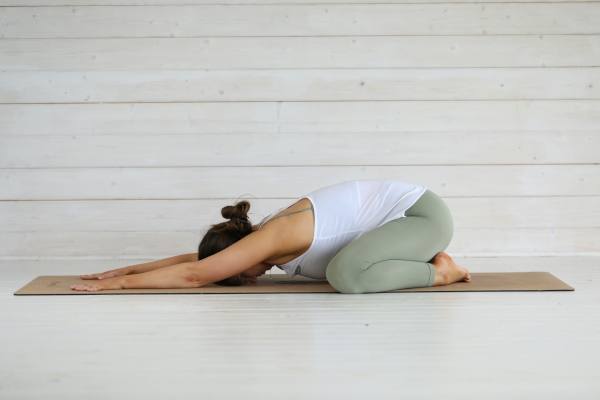
Yin to Corpse Pose
I drug my body to the studio, slowly moved through long-held postures, patiently focused on my exhales, releasing, letting bodily sensations arise and fall. I hardly recognized my body; it was both softer and stiffer than I remembered.
Then savasana, corpse pose: a long layout at the end of the class, eyes closed, flat on my back.
More out of habit and exhaustion than intent, I laid down, my mind slipping into the liminal space between sleep and awakening.
What felt like both an eternity and only seconds passed. As she guided us back to the room, back to the breath, back to the body, I realized that this was the first time since my surgery that I had been able to relax. I could breathe on my back. I didn’t panic and gasp for air, shooting to an upright position.
I felt safe.
I went to bed that night, propped up on my pillow pyramid, and awoke calmly hours later. I was sleeping restfully on my back, having scooched down the bed again. I couldn’t believe it. I awoke totally rested and on my back.
Reflecting on this experience, of course my recovery had a somatic, physical, bodily component.
Even if I mentally decided that my surgery was no big deal and that I recovered, my body stored a different experience. Panic. A lack of control. Fear. The deep sensory experience of losing contact with my body, my lungs, my breath as the epidural blocked higher and higher.
And all this was from a single experience in a hospital with trained medical staff at the ready and family I trust at my side. Imagine what complete overwhelm feels like in an uncontained environment, as a child, with people who should protect you, in a foreign place, or considering any other factor that limits a person’s capacity to cope.
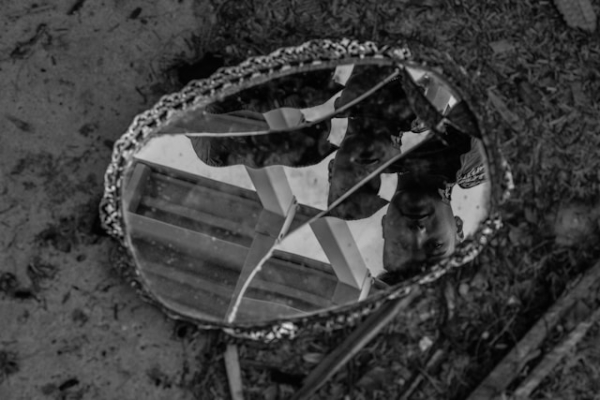
Trauma isn’t any event itself.
Trauma is the inability to process an overwhelming experience and fully let it go – to reset. It’s repressed emotions and the body’s stuck stress response, when the nervous and endocrine systems hold the energy from a life-threatening situation instead of discharging it. This can leave a whole slew of ongoing symptoms, including feeling overwhelmed, dysregulated, and disconnected from the body.
So, of course recovery involves reconnecting with the body, finding comfort and balance again in the felt experience, and regaining a sense of healthy control.
Of course recovery is somatic.
When our society leans into exposure or talk therapy and neglects the stored felt emotions, stuck energy, imbalance in the body, and difficult internal experiences, people can remain stuck in trauma.
By all means, talk if it’s helpful to you.
And also gently lead your body back into feeling a sense of deep safety, control, and balance.
And also support your subconscious and emotional health to let go of repressed emotions and reprogram unhelpful patterns.
And also learn to listen to the sensations you may have long ignored. Learn to trust your body again.
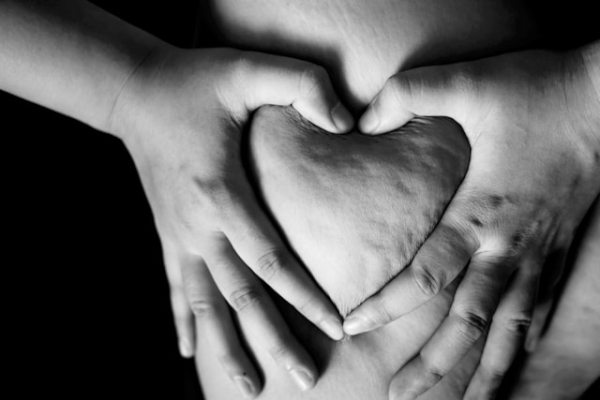
It happened. But trauma doesn’t have to continue happening.
Working through and with your stored internal and bodily experiences can take time and energy, but far less time and energy than that spent carrying repressed experiences and emotions around with you, feeling disconnected, and battling yourself.
It happened.
And you are safe.
You are safe in your body.
Safe in your heart.
Trauma and trauma in the body
Not all trauma is Trauma, but the distinction ultimately doesn’t much matter. Any unprocessed experience or emotion can remain stuck in your body, creating unhelpful patterns in your life.
So, of course the solution is somatic.
Practice to let go and relax in the body. Practice to actually feel safety. Practice to listen to your body in its wisdom, no matter how quiet or overwhelming it may be at first. Practice. It will come.
Practice to one day even maybe be thankful that this experience made you a fuller, wiser person than if you hadn’t experienced it.
Because ultimately, that’s what life is about: experiencing experiences. And your body is your precious vessel for the ride.
If something feels stuck in your life, you might consider time-tested practices like trauma-informed yoga, meditation, breathwork, and hypnotherapy to release and reconnect.
Subscribe to Watering Your Garden
Handcrafted musings, personal event invites, and heartfelt tools guiding you back to the beauty within you? It’s a little something different in your inbox.
Subscribe to the Watering Your Garden newsletter and cultivate an intentional life through each rhythm of the year.
Image credits on Unsplash, in order: Brian Huynh, Jordan Han, Margaret Young, Mohamed Jamil Latrach, Savannah B, and Fuu J. Thank you.





Leave a Reply